 We are about a month away from Lunar New Year on February 16, 2018. While Gumgaijai and Gumgailui were eating up all the honey jars in the studio this past year, an old friend Mr. Delle has been getting ready for his Year of the Dog spotlight!
Mr. Delle is a half Golden Retriever and half Labrador seeing eye dog. His creation back in 2012 was to commemorate a real life seeing eye dog named Mistel. This year, Mr. Delle gets a makeover and appears with his good friend Ms. Delle. While Mr. & Ms. Delle are getting ready to debut their family on Lunar New Year Eve, they want to give out 利是 red envelopes in the meantime to get everyone excited for the coming holiday!
Feel free to share and download the red envelope template below. If you like our Mr. & Ms. Delle wallpapers, please give Mint Purple Studio® some love on our Page or Insta! Please do kindly keep our watermark intact to uphold copyright and trademark regulations should you use or share Mint Purple Studio’s images or files. Thank you!
 Download the Mr. & Ms. Delle printable 8.5 x 11 inch Red Envelope Template HERE
If you would like to shop our full line of Lunar New Year character design products, please check out Mint Purple Studio’s character shop!
.png)
Dear Friends,
2017 has been a wonderful year of learning and growth! I was incredibly blessed to be awarded a Luminous Endowment grant for a challenging photography project. The Studio’s website was also updated to make client proofing easier, session booking faster and blogging more on point.
Thank you for your passion for Mint Purple Studio’s professional photography services. It is truly an honor to be able to share your family’s special milestones because they are important ones for me as well.
May you have a happy, healthy and blessed holiday season. I look forward to serving you in 2018!
Blessings and light,
Angela
P.S. If you’ve missed our previous holiday videos, kindly find them here! 2016, 2015
Twitter: http://www.twitter.
Youtube: http://www.youtube.
CafePress: http://www.
.png)
What is considered a technically accurate photograph is a tricky question because the more in depth you learn photography, the more factors exist that influence a photograph’s technical accuracy. As a paying client though, you should know whether you are purchasing quality images and if your photographer did their job! So, what exactly is a technically accurate photograph?
A technically accurate photograph in its most basic assessment should have proper white balance, be sharp on the image’s primary object of interest (your baby’s eyes should be in focus in her portrait for example), be properly exposed (not too bright or dark), effectively use available or the absence of light to compose. I will briefly elaborate on each factor without being too technical in the hopes that a layperson or normal client can easily understand.
- White balance. Photographs capture light and how light reflects or creates color. Light has color. Daylight tends to be warm (more yellow) and light in the shade or late afternoon tends to be cooler (more blue). Indoor lighting is often warm (very yellow). Certain cameras also produce images with a stronger green or red overall color (aka tint). A photographer needs to know how to adjust their camera for these different temperatures of light and camera imbalances to produce an image that does not have color cast. Whites should appear white in the photograph unless there is some creative reason for the color cast. For instance, a white T-shirt being worn during a beach sunset would have a yellow tint in real life as it reflects the sun’s golden rays. However, a white T-shirt being worn inside your home at night should probably appear white and not yellow. Achieving proper white balance by eye (not relying on software calibration) takes many years of experience and is almost a lost art now but it can be done!
.png)
Left: White Balance is too warm/yellow and green Right: Adjusted White Balance
.png)
Left: White Balance is too cool/blue Right: Adjusted White Balance
- Focus. The primary object of interest in your photograph should be in focus to tell the image’s emotive story. If a photographer wanted to capture the moment of when a baby suddenly smiled at his stuffed animal but the baby’s face is blurry, then the story is somewhat lost. Where should the viewer’s eyes go? If the foot is in focus instead, what story is the photographer trying to tell? Portrait photography is about capturing the person’s unique physique in some creative way. If the person is out of focus without any creative reason for doing so, this defeats the purpose of trying to capture the person’s physique. Sometimes there are creative reasons to use blur (bokeh) such as to capture motion, convey a feeling, create depth but in general a good photographer should be able to nail focus well when needed.
.png)
Left: Main object of interest is out of focus Right: Audience can see the primary subject of the story (airplane) is in focus outside
- Proper Exposure. There is a limit to every camera’s dynamic range, which is (without being super technical) the ability for the camera to capture seamless information in a scene’s shadows and highlights. Generally, the darkest area of an image should not be completely black for an amount more than needed to tell the image’s story. If an image is overly dark, it is underexposed. Likewise, the brightest area of an image should not be completely white for an amount more than needed to tell the image’s story. If an image is overly bright, it is overexposed. A professional photographer should absolutely understand their camera well enough to be able to adjust for proper exposure, their camera’s dynamic range in order to effectively convey their image’s story.
.png)
The image on the left is so dark that information about this little girl’s messy summer hair and her surroundings is lost. The image on the right is dark but the detail of the little girl’s hair is preserved as well as the surrounding summer grass.
.png)
The left picture is too bright (aka overexposed) and the attention on the flowers is lost. The right picture preserves all the flower petal details and the image’s focus on the flowers is preserved.
- Sculpting with Light in Composition. Light is very important in photography because it can create depth and give life to objects. A keen photographer can see light and use it to give life to their photographs. If you were a client and wanted glamour portraits taken, your photographer needs to know how to avoid using harsh lighting because that creates dark shadows and can make the client look old, masculine, dramatic. At the same time, your professional photographer should know how to use light to flatter your face and make you look younger!
.png)
These two pictures were taken just moments of each other as the sun was passing through a cloud. The sun was covered up in the picture on the left so the result is a very flat looking building. The sun shone through in the picture on the right and illuminates the rooms inside the building and gives dimension to the building by creating depth.
Conclusion. A technically accurate image should have proper white balance, be properly exposed, have focus nailed on the primary subject and composed well. These are the very basics of a technically accurate image. However, every genre of photography has their own technical standards. For instance, in newborn photography, a baby in the bum up pose should have their feet on the back leg placed on the top of the feet on the front leg. If you want to know more about proper posing and technical standards for the genre of photography you are interested in, you have every right to ask your photographer and expect a reasonable answer. As a paying client, you also have the right to expect quality images. If you understand the basics of what is considered a technically accurate image, then this knowledge will help you in selecting the right photographer for you!
A new baby is like the beginning of all things wonder, hope, a dream of possibilities. ~Eda J. Le Shan
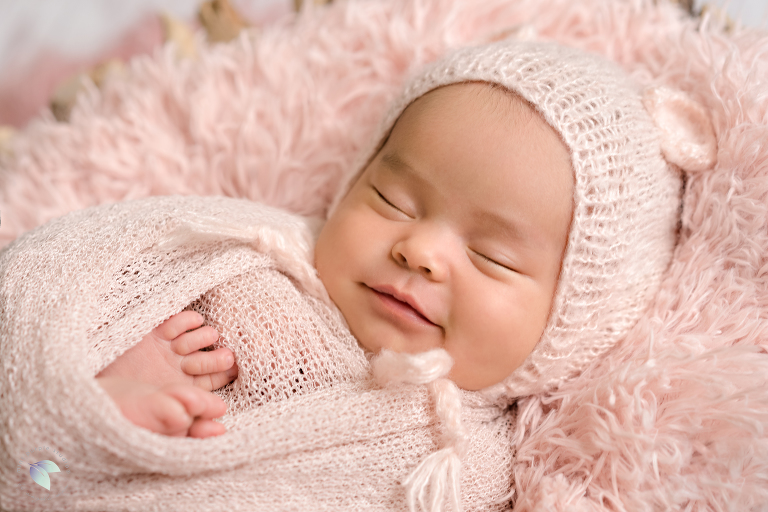
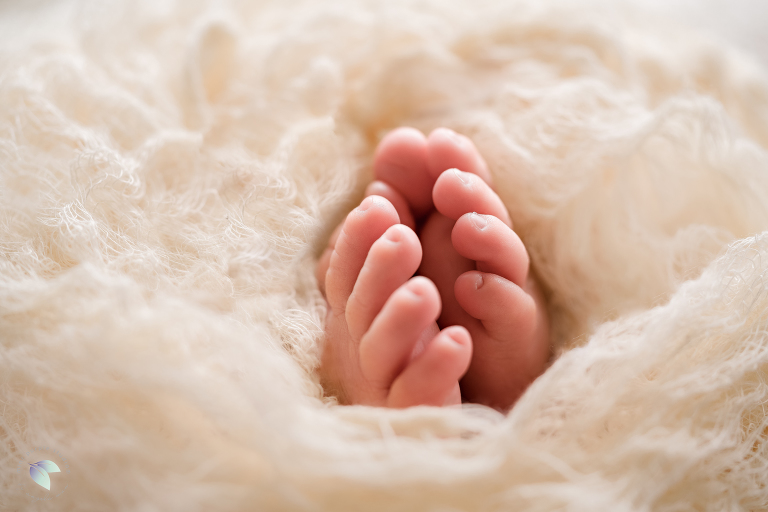
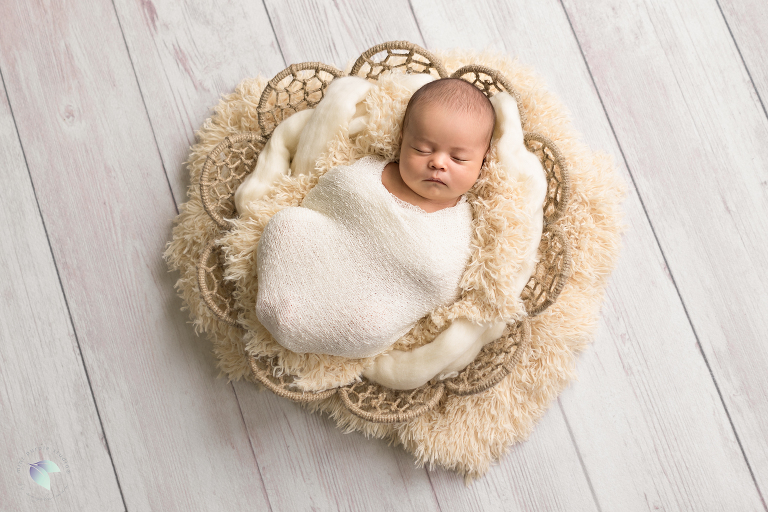
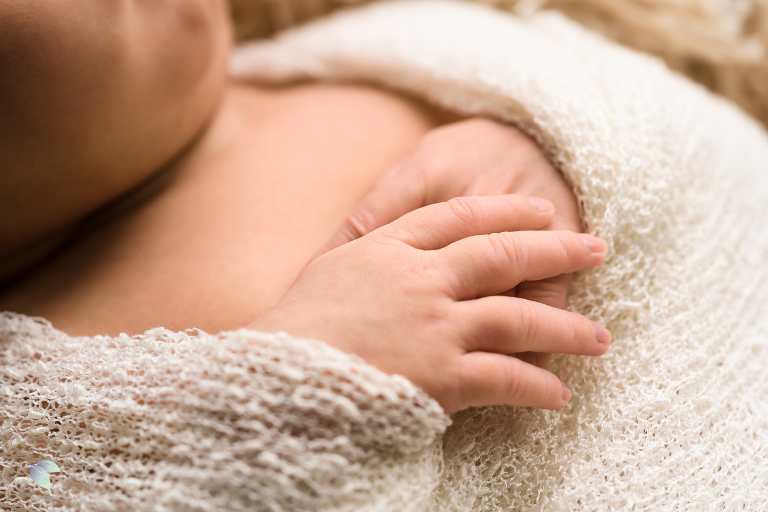
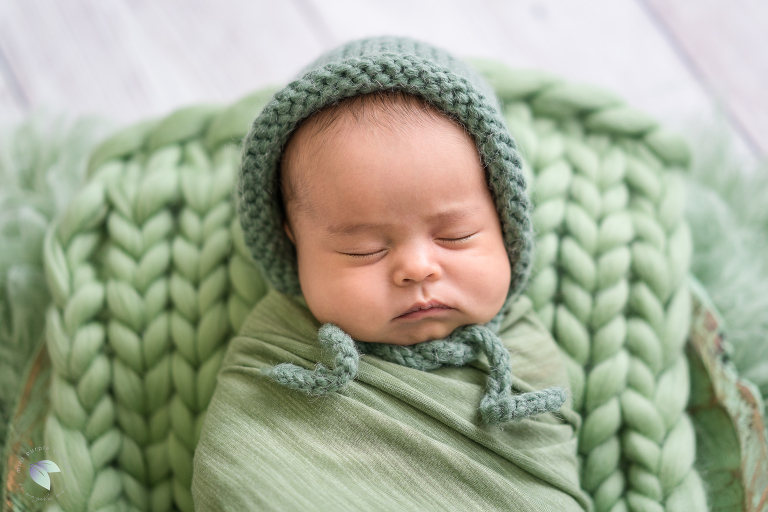
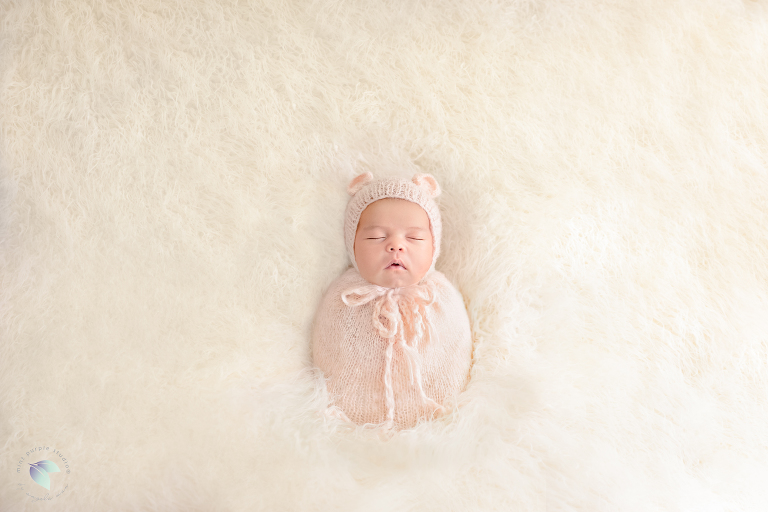
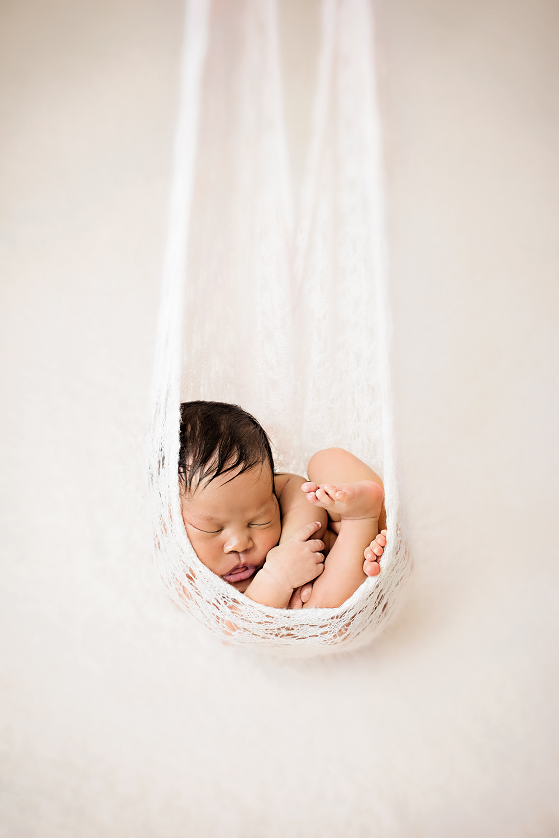
We have waited nine months for you Lady H! Mommy contacted me early in her pregnancy to book a cuddly bundle themed newborn photoshoot for Lady H. Mommy was a knitter and wanted to work in different knit textures, furs to create a warm, snuggly backdrop. Lady H loved every moment of her photoshoot and flashed me a ton of cute smiles. We captured those little and perfect newborn hands, toes – all that will be just a little bigger one week later. Newborn babies grow so incredibly fast! I am incredibly blessed to be able to capture such a sacred and beautiful moment for Lady H and her family.
.png)
1. How do I choose a photographer for my photoshoot?
- What kind of photoshoot are you looking for? Are you looking for a photographer to photograph a documentary, wedding, portrait, newborn, family, business event, headshot, landscape, sports, nature, animal, pet, food…. While all professional photographers should be able to produce technically accurate images, a wedding photographer would not know how to soothe and pose a newborn baby for a newborn baby photoshoot. A landscape photographer would not necessarily have experience and know how to pose a couple on their wedding day. A documentary photographer probably would not know how to pose a 35 week pregnant woman for her maternity photoshoot. Depending on the genre of photoshoot, you need to do some due diligence and research to find a photographer that is trained, experienced and knowledgeable about that particular genre of photography.
- What is your budget? Are you looking for digital files to post on social media? Are you looking for wall portraits to hang in your home? Are you looking for fine art on hand torn paper mounted under museum glass? Each product commands different prices based on the photographer you choose – professional or amateur. Professional and amateur photographer fees do not generally adhere to an industry standard because – how do you price art? However, there generally is a direct relationship between how experienced a photographer is and price. The length of experience, talent and financial overhead of a professionally active photographer, type of fine art products offered will usually command a higher price.
- How important is technical accuracy to you? Whichever photographer you choose should produce a technically accurate photograph. What is considered technically accurate will be covered in the last blog in this FAQ mini series. In short, how important is a photograph with accurate true-to-life colors with the main subject(s) in sharp focus to you? There is a direct correlation in price with how capable your photographer is in capturing a technically accurate image and therefore will affect your budget.
2. What is the difference between an amateur and professional photographers?
- Amateur photographers are portfolio building, developing their expertise in learning to shoot with their camera in manual mode, to compose and finding their personal style. They may shoot in manual mode, possess a great variety of camera gear but lack the experience to compose aesthetically or they may have the creativity to compose but unable to produce their vision technically in camera. An amateur photographer may often rely on their image processing software instead of their camera (filters, Photoshop, photo editing apps etc…) to create their raw image.
- Professional photographers produce technically accurate, artistically beautiful photographs that sing with a personal style in camera and can produce a variety of products, most notably prints that are worthy of being displayed under museum glass. Photoshop or photo editing software is typically used as a professional photographer’s finishing (not creation) tool. Images produced by a well seasoned professional photographer can expertly capture emotion, tell a story and speak to you through their images.
- Professionally active photographers are professional photographers who run an active business and incur financial overhead costs. They have a business license, pay for proper insurance, attend continuing education courses, pay for professional association membership dues, pay state, federal and sales tax, may own or rent physical retail space and hold themselves accountable to a higher industry standard in terms of how to ethically treat clients. These photographers will command a higher price due to business overhead, professional membership fees and the professional boutique experience that is offered. For instance, Mint Purple Studio® is a professionally active photography studio. We pay taxes, have insurance, belong to the PPA, is a lifetime member of Click and attend continuing education classes every year. Our clients normally spend a higher amount per session for a professional photographer plus a custom boutique experience knowing they are protected by insurance with the knowledge that we hold ourselves accountable to a high standard of client conduct.
3. Conclusion
- To summarize, finding a good photographer depends on a) what genre of photography you are looking to capture, b) your budget, c) how important technical accuracy is to you and d) the type of service and warranty/insurance you wish to have depending on the type of photographer you are willing to hire!
- Happy Photographer hunting! <3